

: +8618979570760 :xuran1603@gmail.com WhatsApp:+8619170756831
English

 |


| Quantity: | |
|---|---|
TH Flange
SDFL
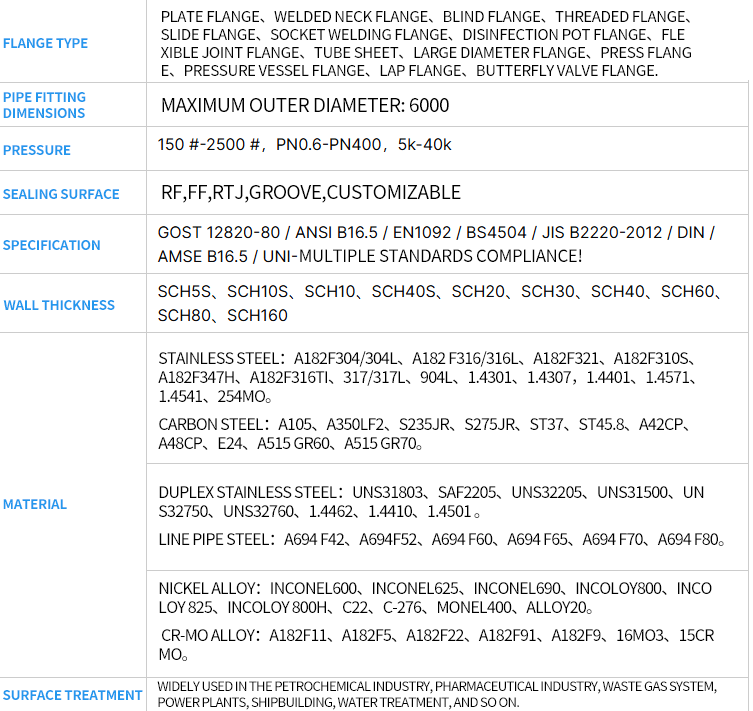
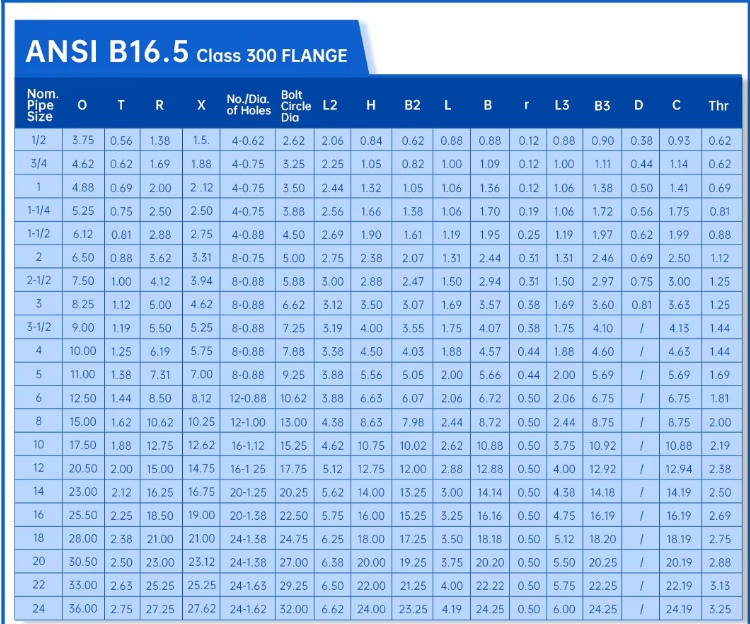
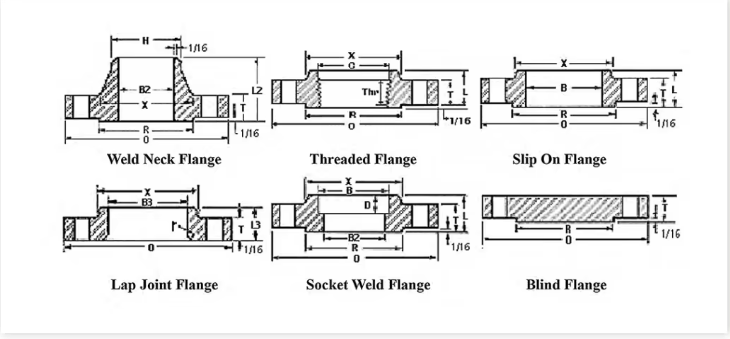
316L high-temperature threaded flange is a welding-free fitting specially designed for steam and high-temperature fluid pipelines, solving welding deformation, thermal stress cracking and no-fire construction problems in high-temperature conditions. Forged from 316L ultra-low carbon austenitic stainless steel, it withstands long-term 200℃-350℃ high-temperature medium impact without softening, deformation or oxidation peeling. Ultra-low carbon structure avoids intergranular corrosion and thermal fatigue cracking at high temperature, with service life several times longer than 304 flanges. Precisely machined NPT thread features excellent thermal stability, maintaining tight occlusion without thermal loosening and leakage under thermal expansion and contraction. Uniform forged structure resists high-temperature alternating load and thermal shock for frequent pipeline start-stop service. Welding-free installation eliminates welding residual stress to prevent later cracking. Flat heat-resistant sealing surface achieves long-term high-temperature tightness with high-temperature gaskets. Stabilization heat treatment and enhanced passivation further improve heat and thermal corrosion resistance. Widely used in industrial steam pipe networks, high-temperature hot water systems, thermal equipment interfaces and high-temperature heat exchange devices, serving as the safest and most stable fitting for high-temperature no-welding conditions.
Core Selling Points
316L austenitic steel resists high temperature and thermal oxidation;
Ultra-low carbon anti-thermal-fatigue design avoids high-temperature cracking and deformation;
Thermally stable taper thread prevents loosening and leakage at high temperature;
Welding-free installation eliminates welding thermal stress risks;
Dense forged structure resists cold and heat alternating impact;
Suitable for steam and high-temperature hot water media;
Stabilization heat treatment upgrades heat resistance;
Easy maintenance reduces operation cost for high-temperature systems.
Application Scenarios
Industrial low-pressure steam pipe networks, high-temperature hot water pipelines, thermal heat exchange equipment interfaces, small high-temperature process pipes, HVAC high-temperature systems, food high-temperature sterilization equipment, light industrial high-temperature fluid pipelines, thermal energy auxiliary equipment connections.
Why Choose Us
We optimize heat treatment technology exclusively for high-temperature threaded flanges to solve common defects such as thermal loosening, cracking and leakage. High-precision thermal thread processing ensures superior thermal stability. Every batch undergoes high-temperature performance sampling test to guarantee qualified heat resistance for thermal, food and light industrial high-temperature projects.
Customization Ability
Custom ultra-high temperature heat-resistant flanges; thickened high-temperature threaded flanges; precision thread exclusive for steam service; non-standard sizes for steam pipelines; customized stabilization heat treatment; special size and bevel for high-temperature equipment; enhanced high-temperature anti-corrosion treatment; exclusive packaging for high-temperature projects.
FAQ:
1:How long is the custom lead time for stainless steel flanges in Wenzhou?
— 8 to 10 working days
2:What is the fastest delivery time?
— 3 working days
3:Do you support non-standard custom flanges?
— Yes, we do.
4:Can you process special sizes?
— Yes. Max processing size: 4000 mm, Min processing size: 30 mm.
5:Do you have stainless steel flanges of standard sizes in stock?
— Yes.
6:Can we customize flanges based on customer drawings or samples?
— Yes.
7:Will material test certificates and inspection reports be provided for the purchased flanges?
— Yes, they will.
8:Is there a quality warranty for the flange products?
— Yes.
9:How to handle quality defects if they occur?
— Product return and exchange available.
10:What are the differences between slip-on flanges and butt-weld flanges? What are their respective application scenarios?